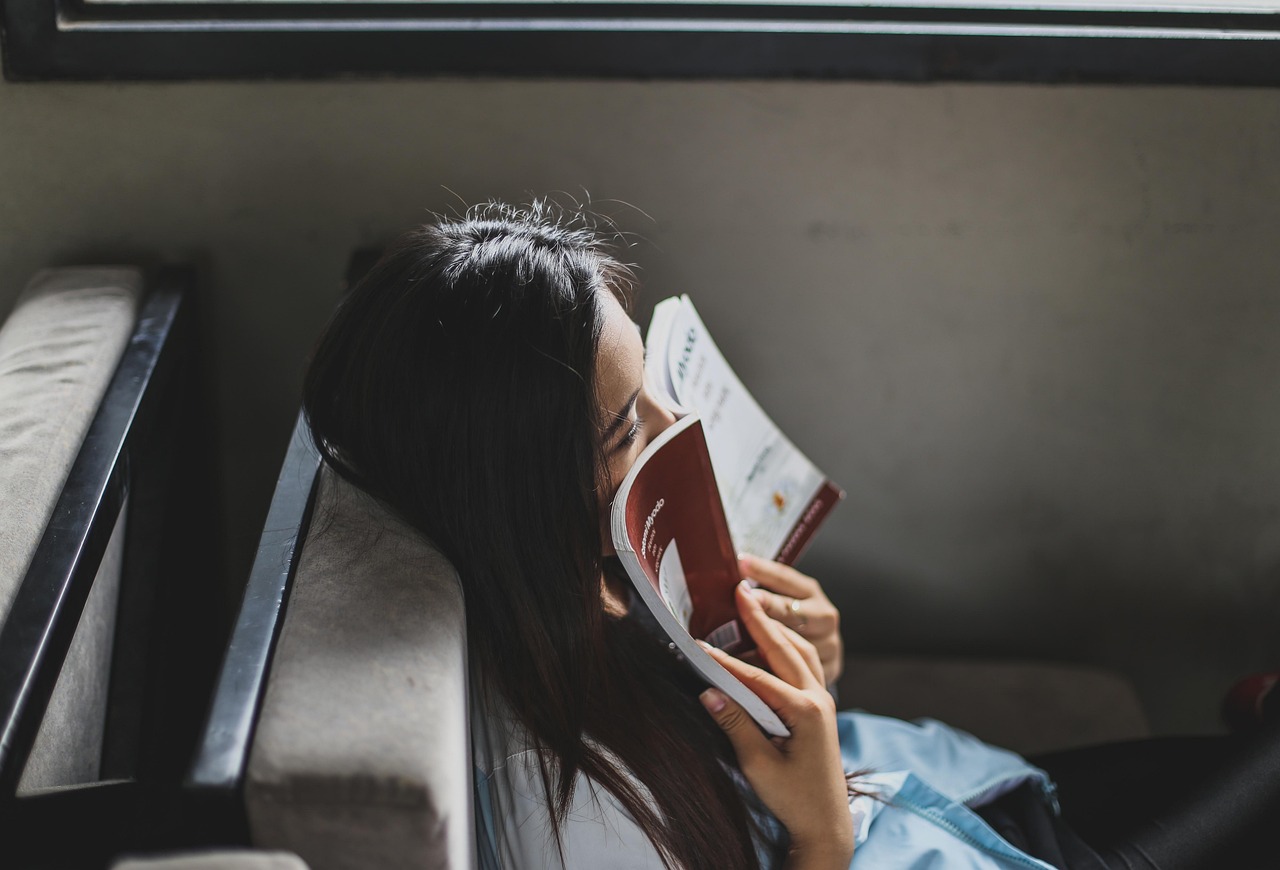
We wouldn’t have this whole discussion if it weren’t for printed books. One way or another, it was what we all grew up with; at school, at the local library, or just at home. Physical books are a staple for anyone who read. Coming in different formats like hardcover (or hardback) and softover (or softback). Did you know experts say you need at least 500 books at home to call the collection a library? Personally, just a few full shelves could bring the dark academia feel so many strive for. What makes these books so special is the amount of work that gets put into them. After the long process of getting the final draft, the pages get printed, then put through a binding machine. There it gets sewn and glued together before receiving its cover. What has become popular recently is book stencils, to the point that even Barnes & Noble are selling small kits. With stencils, the designer is able to color and make designs on the outside of the pages. On social media there are people who have dedicated accounts rebinding old copies to give them a new life. Physical books is like having a painting; both have so much effort and love put into them. But most importantly, they’re both pieces of art.
There are so many good parts about owning physical copies of your favorite reads, but there are also a few downsides. One of which are the prices. Back in my day (mid 2010s), hardcovers were priced between $10-$19. Now they can go up to $40, even debuts. The cheapest softcover I bought was $5.99 and now they’re regularly priced at $19.99. The reasoning people give is that shipping costs play a big role in the price, but it is interesting that the prices went up so much in the last few years… when more people were purchasing books. I don’t have a lot of information on the facts, but it is something to consider. Another downside are the environmental concerns. The process of creating a book contributes to deforestation, greenhouse gas emissions, and water usage.